Voice AI customer service is software that answers and holds spoken phone conversations with customers automatically — understanding what the caller says, replying in a natural voice, and completing routine tasks like booking an appointment, answering a question, or routing the call to the right person. Unlike a traditional phone menu (“press 1 for sales”), it lets the caller simply speak — which matters, because 80% of consumers hang up without leaving a voicemail when nobody answers (HubSpot, 2023). For businesses across Estonia, Latvia, and Lithuania — where teams are small and multilingual demand is high — it keeps every call answered without adding headcount. This guide explains how it works, where it fits, what EU law requires, and what to check before you adopt it.
How does voice AI answer a phone call?
A voice AI agent runs three steps in real time: it converts the caller’s speech to text, decides what they need and what to say back, and speaks the reply in a synthetic voice. Speech recognition handles the listening, a language model combined with your business logic handles the decision, and speech synthesis handles the reply — all within roughly a second, so the conversation feels natural. Modern systems handle interruptions, accents, and switching languages mid-call.
For the Baltics specifically, language coverage is the deciding factor. A useful agent should handle Estonian, Latvian, or Lithuanian alongside Russian and English, because a large share of customers switch between them. Ask any vendor to demo the agent in each language your customers actually use, not just English.
What can businesses realistically use it for?
Voice AI is strongest on high-volume, repetitive calls — not complex negotiations. The practical wins are:
- After-hours and overflow cover. Calls that would otherwise go to voicemail get answered 24/7, so you capture bookings and leads outside office hours.
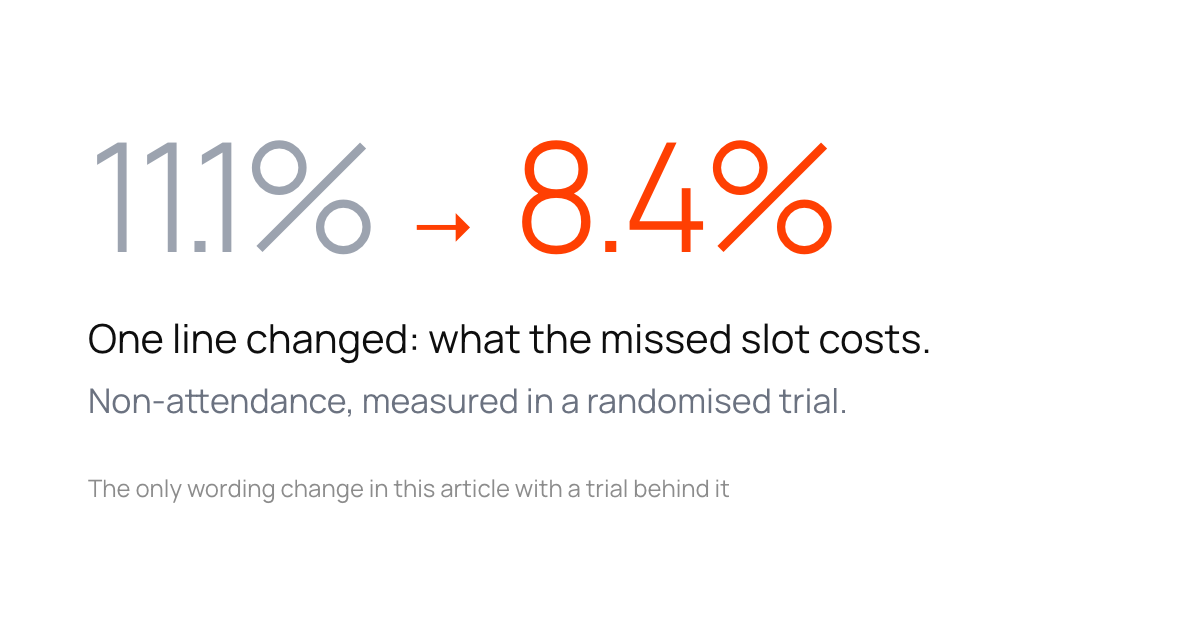
- Appointments and bookings. The agent checks availability and schedules directly into your calendar — common in car repair, clinics, and property services. Filling the slot is only half the job; appointment reminder software is what stops it emptying again.
- FAQs and status checks. Opening hours, order status, “is my part in?” — answered instantly, freeing staff for higher-value work.
- Call routing and reception. Acting as an AI receptionist that identifies the reason for the call and connects the right person.
Start with one narrow use case, measure it, then expand. Trying to automate every call at once is the most common way these projects stall.
Is voice AI allowed under EU rules?
Yes, with obligations. The EU Artificial Intelligence Act entered into force on 1 August 2024 and introduces transparency duties — including that people are told when they are interacting with an AI system rather than a human (European Commission, 2024). In practice, a compliant voice agent discloses that it is automated at the start of the call.
Data handling is governed by the GDPR, which applies in full across all three Baltic states. Call recordings and transcripts are personal data, so you need a lawful basis, clear retention limits, and a processor agreement with your vendor. Confirm where the audio is processed and stored before you sign — our GDPR and EU AI Act compliance guide covers the full checklist.
Why is voice AI gaining traction in the Baltics now?
Two forces line up: the region is unusually digital-ready, and tight labour markets make phone lines hard to staff. Estonia has repeatedly ranked at or near the top of the EU for digital public services (European Commission, Digital Decade / DESI), and its businesses adopt automation quickly. At the same time, answering every call with existing headcount is a real constraint for small teams.
The result is that small and mid-sized operators — car workshops, logistics firms, property managers — are the natural early adopters, because a single missed call can mean a lost job.
What should you check before buying?
Treat a voice AI pilot like hiring: test it on real conditions before you commit.
- Language quality per language. Insist on a live demo in Estonian, Latvian, Lithuanian, Russian, and English as relevant to your customers.
- Handover to humans. The agent must transfer cleanly when a call is beyond its scope, with context passed along.
- Integrations. Confirm it connects to your calendar, CRM, or booking system — otherwise you re-key everything by hand.
- Data location and retention. Get written answers on where recordings live and how long they’re kept.
- A measurable pilot. Define success up front: answer rate, bookings captured, minutes deflected from staff.
Where this leaves you
If your phone lines drop calls after hours, during peaks, or in languages your team can’t always cover, voice AI customer service is now a practical option rather than a future one — provided you pilot it narrowly, test every language, and get the data and disclosure points right. Sono builds voice AI agents for exactly these operational calls; the sensible next step is a small, measurable pilot on one use case where you’re losing calls today. Book a free scoping call to work out where that is.